
Dental Touch Blog
If you've had a dental impression taken before, you probably remember the tray of gooey putty and the wait for it to set. Digital scanning has changed that for many procedures — here's how the two methods actually compare.
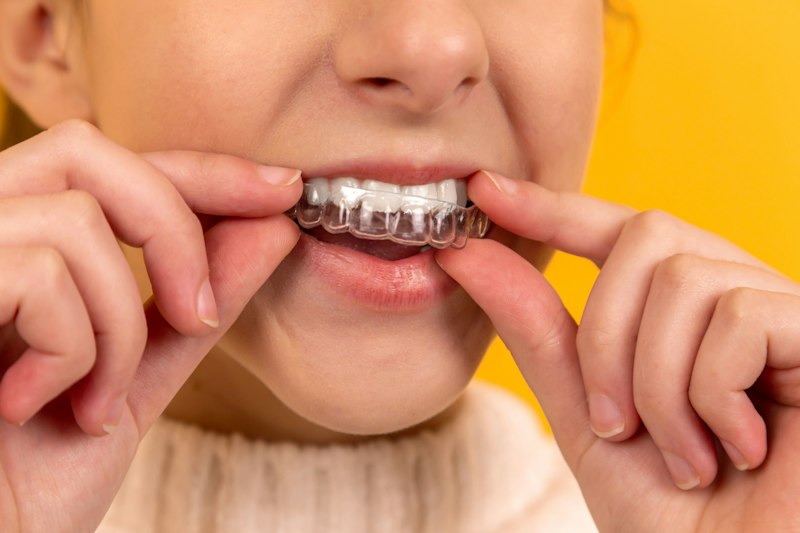
Every crown, bridge, aligner or implant restoration starts with an accurate model of your teeth. For decades, that meant biting into a tray of putty and holding still while it set. An intraoral scanner does the same job with a small wand that captures a digital 3D model of your mouth in a few minutes, no putty involved.
Neither method is universally "better" for every situation, but for most routine cases, digital scanning offers real advantages. This guide compares the two directly, so you know what to expect at your next appointment.
📷 Intraoral Scanner
A small handheld wand is moved around your teeth and gums, capturing thousands of images that are stitched together in real time into a 3D digital model you and your dentist can view on screen immediately.
🧪 Traditional Impressions
A tray filled with putty-like material (alginate or PVS) is placed over the teeth and held in place while it sets, then removed and sent to a lab where a physical model is cast from it.
Comfort & Gag Reflex
SCANNER
No tray in the mouth, easier for sensitive gaggers
TRADITIONAL
Tray and material can trigger gagging for some patients
Speed
SCANNER
Typically a few minutes, no setting time needed
TRADITIONAL
Includes a wait while the material sets in the mouth
Accuracy
SCANNER
High precision, no material shrinkage or distortion
TRADITIONAL
Reliable when done well, but material can shrink or distort slightly
Patient Experience
SCANNER
You can view your own 3D scan on screen right away
TRADITIONAL
Physical model, not typically shown to the patient directly
Redo If Needed
SCANNER
A specific area can be quickly rescanned if needed
TRADITIONAL
Usually means redoing the full impression from scratch
Clear aligner treatment relies almost entirely on digital scans, since the whole treatment plan and every aligner stage is designed from that 3D model. Crowns and bridges benefit from a scan's precision, often shortening the number of visits needed. Implant restorations use scans to plan exact positioning against the surrounding teeth. And for anyone who struggles with a gag reflex, a scan is often simply a more manageable experience than a tray of setting material.
Yes, in select situations. Certain denture cases, some deeper impressions, or particular lab requirements can still call for a traditional impression. The choice isn't about one method being outdated — it's about which tool fits the specific procedure. Your dentist will use whichever method gives the most accurate result for what you actually need done.
Come in for a consultation at Dental Touch and see your own 3D scan on screen — no putty, no waiting for it to set.
Q1. Is an intraoral scan uncomfortable?
Most patients find it more comfortable than a traditional impression, since there's no tray or setting material involved — just a small wand moved around your teeth.
Q2. Is a digital scan as accurate as a traditional impression?
For most routine restorative and orthodontic cases, yes — digital scanning is generally considered at least as accurate, and it avoids the shrinkage or distortion that can occasionally affect physical impression material.
Q3. How long does a scan take?
A full scan of the mouth typically takes just a few minutes, though this can vary depending on how much of the mouth needs to be captured.
Q4. Can I see my scan afterward?
Yes — one advantage of digital scanning is that the 3D model appears on screen as it's captured, so your dentist can show you exactly what they're seeing.
Q5. Will every procedure at Dental Touch use a digital scan?
Most routine cases do, but your dentist will use whichever method — digital or traditional — is best suited to your specific procedure.
Q6. How do I book a consultation at Dental Touch?
Book online through the "Book Free Consultation" button on this page, call us at 9856032240, or email dental.touch.dmr@gmail.com. Our clinic is located in Dimapur, Nagaland.